Modern Industrial Enamelling: A Fusion of Function and Aesthetic Excellence
Enamelling is often associated with delicate jewellery or fine art pieces, but in the industrial world, it has found a unique and vital role. Modern industrial enamelling blends traditional craftsmanship with cutting-edge technology, offering a desirable and durable finish. From kitchen appliances and automotive parts to architectural components like lighting, industrial enamelling is as versatile as it is enduring.
What is Enamelling?
Enamelling is the process of applying a glass-like layer onto metal surfaces. The process involves fusing a powdered glass onto metal (typically steel or iron) at high temperatures of around 750°C to 900°C, which causes the glass particles to melt and bond with the surface. This process creates a smooth, hard, and glossy finish that is highly resistant to wear and tear, weather, and chemical damage.
Unlike the delicate enamelling used in jewellery for example, industrial enamelling is about performance as much as it is about appearance. The enamel coating protects the underlying metal from corrosion, scratching, and other damage, all while offering a vibrant and often mirrorlike finish. It’s a technique that combines the durability of industrial materials with the beauty of glass, making it an ideal solution for a range of applications.
Why is Enamelling So Effective?
1. Durability and Protection
Enamel coatings are incredibly durable, providing protection against harsh conditions like moisture, UV rays, extreme temperatures, and chemicals. The fusion of glass and metal creates a tough, non-porous surface that resists corrosion, rust, and fading.
2. Aesthetic Appeal
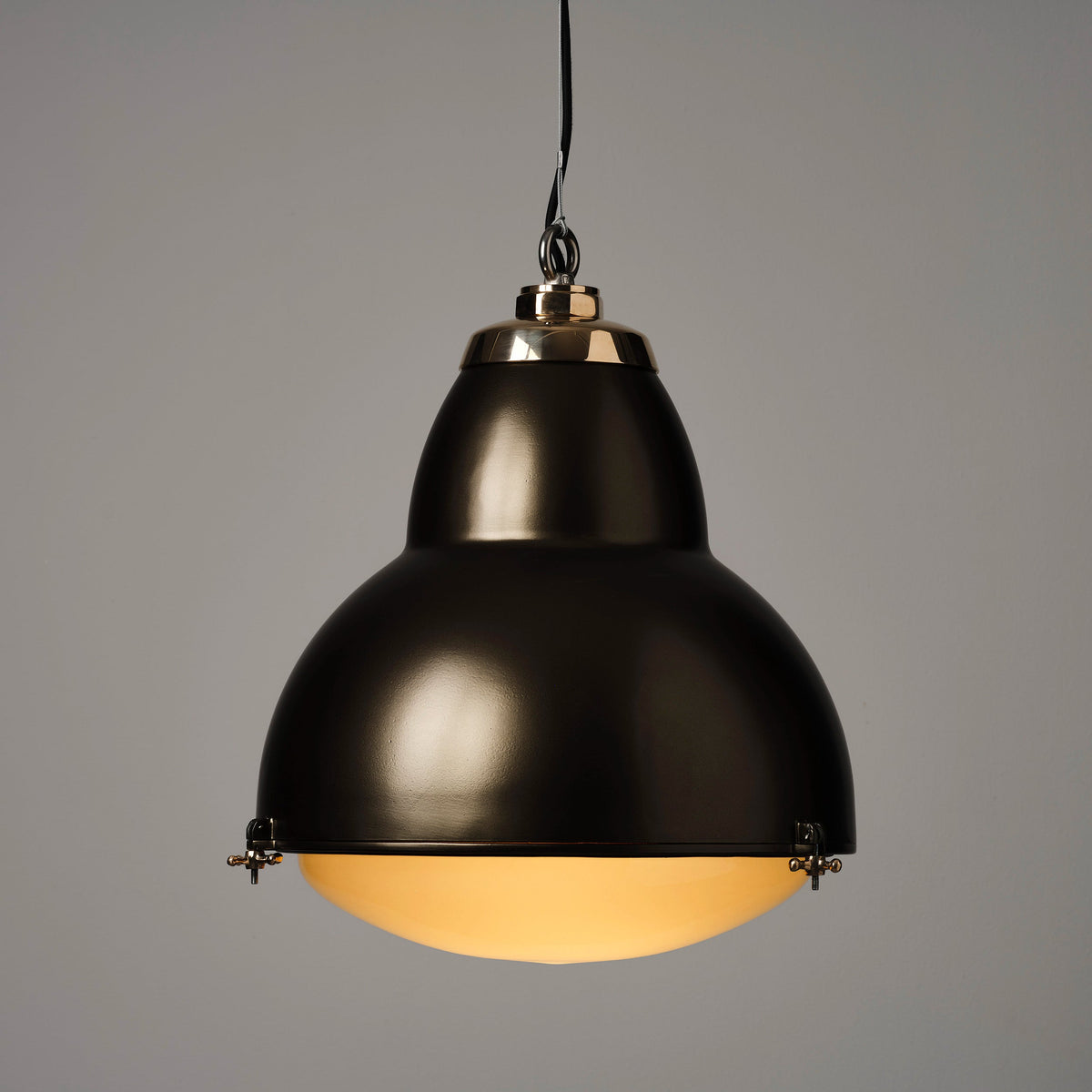
While industrial enamelling is mainly functional, it’s also highly aesthetic. Enamel coatings can be applied in a range of colours and finishes, from glossy and vibrant hues to matte or textured surfaces.
3. Smooth, Easy-to-Clean Surface
One of the key benefits of industrial enamelling is the smooth, non-porous surface it creates which makes it easy to clean and maintain. Enamel’s resistance to staining and the fact that it doesn’t absorb dirt or oils contributes to its long life-span.
4. Heat Resistance
Enamel coatings can withstand high temperatures without losing their integrity. This heat resistance is one of the primary reasons enamelling remains essential in manufacturing.
5. Eco-Friendly and Sustainable
Unlike some other industrial coatings, enamels are relatively eco-friendly. The enamel powder itself is composed of natural raw materials, such as silica, boron, and various metal oxides, and the firing process does not release harmful gases or chemicals into the environment. Additionally, enamelled surfaces are highly durable, meaning products last longer and are less likely to need replacing, further contributing to their sustainability.
The Modern Enamelling Process
Modern industrial enamelling follows a meticulous process that involves several key steps:
Surface Preparation: The metal surface is cleaned and prepared to ensure that the enamel adheres properly. This may involve sandblasting, chemical cleaning, or acid etching.
Application of Enamel: Enamel is applied in the form of a fine powder, often using a spray or dip coating method. The metal object is evenly coated with the enamel powder.
Firing: The coated metal is then placed in a furnace or kiln, where it is heated to a high temperature. This melts the enamel, causing it to bond with the metal surface.
Finishing: After firing, the piece is cooled, and additional layers or polishing may be applied to achieve the desired finish. Some enamel coatings may also undergo a second firing for enhanced durability and colour depth.
With advances in technology and growing demand for sustainable, durable products, industrial enamelling will undoubtedly remain a crucial element in manufacturing for years to come. Ongoing research and development are leading to new types of enamel formulations that offer even greater performance in terms of heat resistance, chemical resistance, and colour durability. Additionally, as industries continue to seek environmentally-friendly solutions, enamel’s natural composition and long-lasting nature will likely increase its appeal.